The computational engine for drug discovery.

SilicoScientia builds software that takes discovery programs from target to optimized lead — physics-based simulation and generative AI running as one GPU-accelerated pipeline, not a dozen stitched-together tools.

Molecular Modeling

Docking, all-atom MD, and binding free energy on GPU

Bioinformatics Pipelines

Reproducible multi-omics workflows, deployable in your environment

Generative Design

De novo molecule and protein design with ML scoring

SilicoXplore

Our end-to-end discovery platform

ToxAI

ML toxicity and ADMET prediction

Physics-based simulation and generative AI, in one pipeline

What we’ve built

SilicoScientia builds computational infrastructure for small-molecule and biologics discovery. Our software takes programs from target identification to optimized lead — running docking, molecular dynamics, generative design, and toxicity prediction as one connected pipeline rather than a chain of disconnected tools.

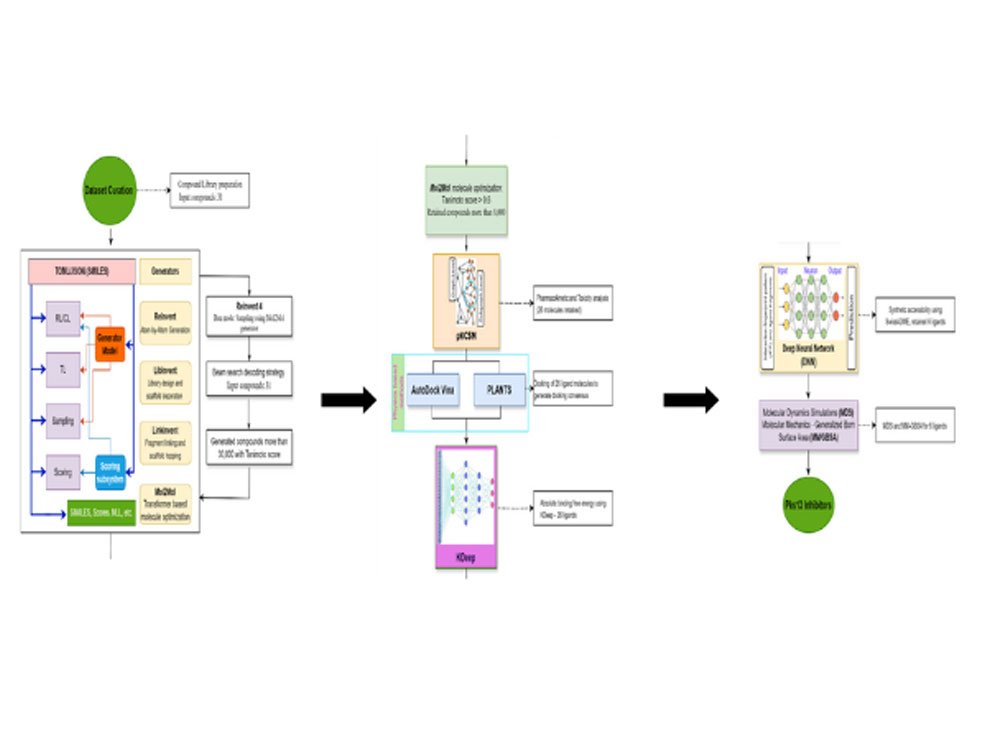
Two approaches that are usually kept apart run together in our stack. Physics-based methods — molecular docking, all-atom molecular dynamics, binding free energy calculation — supply mechanistic grounding. Generative and predictive AI — de novo design, ML scoring, ADMET and toxicity prediction — supply scale. Candidates that survive both filters have statistical support and physical plausibility before anyone commits to an assay.

Discovery teams in pharma, biotech, agrotech, and contract research run programs on our software three ways: licensed access to the platform, pipelines deployed inside their own environment, or a joint program run alongside our computational scientists.

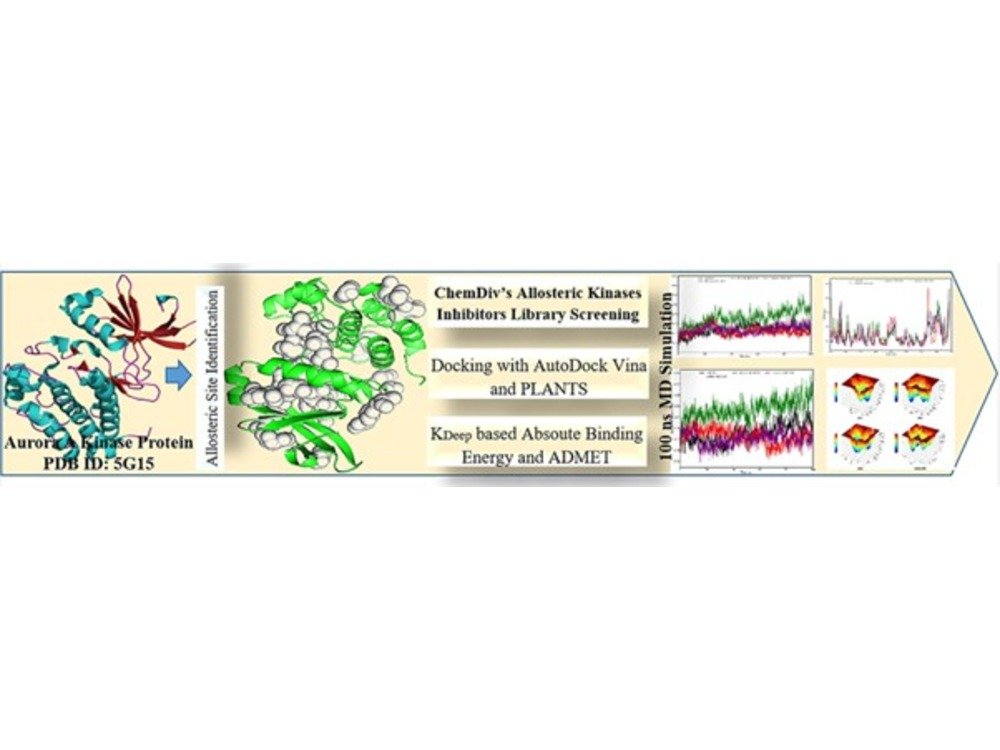
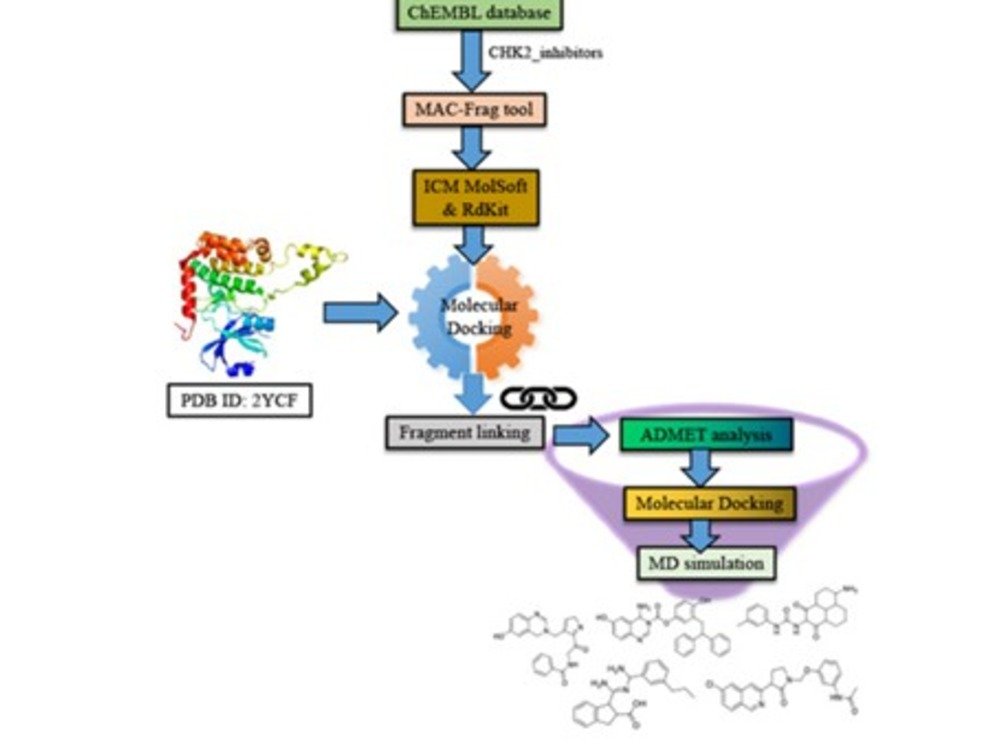
The methods behind the platform are published and peer-reviewed. Programs have run on it against targets including Aurora A kinase, CHK2, EthR, Pks13, and PknB. See the case studies and publications.
The team behind it

Our team combines computational chemistry, structural biology, bioinformatics, and software engineering. The science is led by Dr. Md. Ataul Islam — Newton International Fellow at the University of Manchester, with postdoctoral work at the University of Pretoria and published research in ligand- and structure-based design, molecular dynamics, and pharmacoinformatics.

How the platform works

Every program starts with the target. We build a structural and data picture of it, then run screening and de novo design against that model. Hits are filtered by ML scoring and ADMET prediction, then stress-tested with all-atom molecular dynamics and free energy calculation before anything is proposed for synthesis.

Where AI fits, and where it doesn’t

AI does what physics can’t do at scale: generate novel chemotypes, rank millions of candidates, predict toxicity from learned structure–activity relationships. Physics does what AI can’t do reliably: tell you whether a proposed binding mode is real. Neither is sufficient alone, which is why the platform runs both.

Deployment and data handling

Pipelines run on our infrastructure or entirely inside your firewall. Data handling, IP ownership, and access controls are set per engagement — details on our security page.

Run a program on SilicoScientia

Tell us about your target and we’ll show you what the platform would do with it.